Edge Computing in Enterprise: What Decision-Makers Need to Know
Edge computing is no longer a “nice to have” innovation—it’s becoming essential for enterprises managing distributed operations, IoT devices, or real-time data processing requirements. Yet many decision-makers still view it as experimental or unclear in ROI. Understanding edge computing and how it applies to your specific operations can unlock significant competitive advantages.
What Is Edge Computing?
The Basics
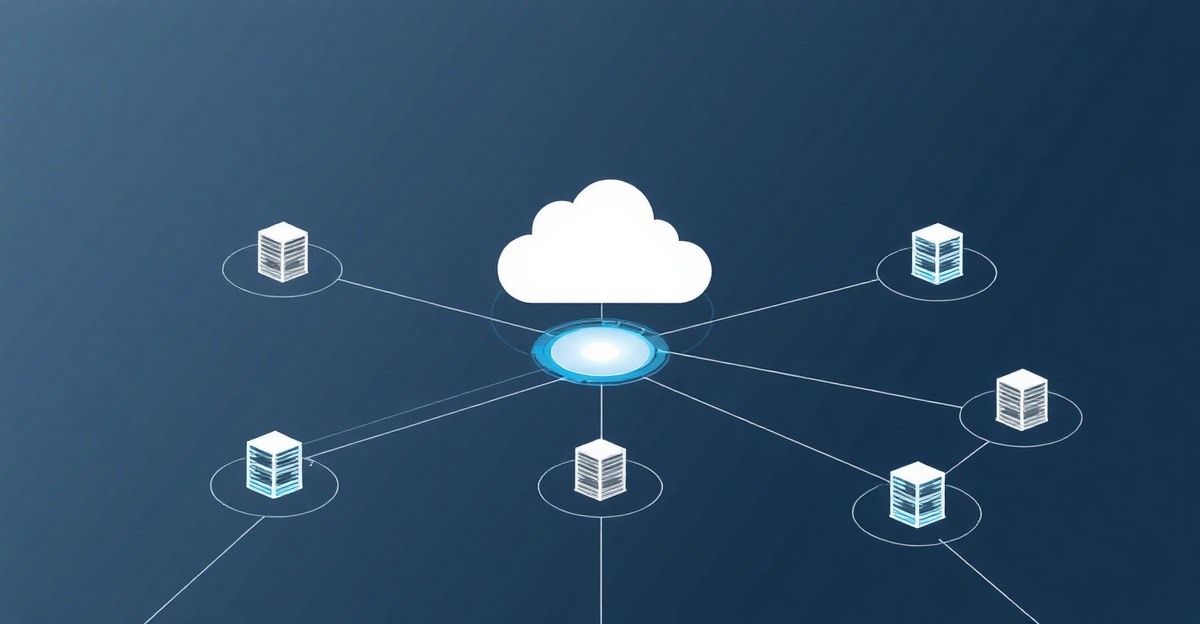
Traditional cloud computing centralizes all processing and storage in data centers. Edge computing brings computation closer to where data is generated—at the “edge” of the network, near devices, sensors, and users.
Traditional Architecture:
- Device collects data
- Data travels to central cloud
- Cloud processes data
- Results travel back to device
- Total latency: 100-500ms or more
Edge Computing Architecture:
- Device collects data
- Local edge device processes immediately
- Results available in milliseconds
- Only critical insights sent to cloud
- Total latency: 10-50ms
Why Edge Matters for Enterprise
1. Latency and Real-Time Response Some applications can’t tolerate cloud latency:
- Manufacturing quality control (microsecond decisions)
- Healthcare monitoring (immediate alerts)
- Autonomous systems (real-time response required)
- Financial trading (millisecond advantages)
2. Bandwidth and Cost Optimization Sending all data to cloud is expensive:
- Retail: 1,000 stores × multiple IoT devices = massive bandwidth
- Bandwidth costs: $1-5 per GB in bulk
- Edge processing can reduce data transmission by 80-95%
3. Reliability and Resilience Edge processing continues if cloud connection fails:
- Manufacturing doesn’t stop
- Retail systems stay operational
- Critical operations continue
- Cloud synchronizes when connectivity restores
4. Privacy and Compliance Some data shouldn’t leave premises:
- Healthcare records (HIPAA)
- Financial data (PCI DSS)
- Biometric information (GDPR)
- Operational secrets (competitiveness)
Edge Computing Use Cases by Industry
Manufacturing and Industrial Operations
Predictive Maintenance:
- Sensors monitor equipment vibration, temperature, noise
- Edge devices analyze patterns in real-time
- Alerts triggered before failure occurs
- Result: 30-50% reduction in unplanned downtime
Quality Control:
- Computer vision systems analyze products
- Edge processing identifies defects immediately
- Reject bad products before further processing
- Result: 40% reduction in quality control costs
Supply Chain Optimization:
- Real-time asset tracking at edge
- Automatic route optimization
- Inventory level optimization
- Result: 25-35% improvement in logistics efficiency
Retail and Customer Experience
Smart Stores:
- In-store analytics (traffic patterns, conversion)
- Dynamic pricing based on inventory and demand
- Personalized recommendations at checkout
- Result: 10-20% increase in average transaction value
Inventory Management:
- Shelf inventory monitoring
- Automatic reorder triggers
- Supply chain visibility
- Result: 30-40% reduction in stockouts
Healthcare
Patient Monitoring:
- Wearables transmit vital signs
- Edge processing detects anomalies
- Immediate alerts to caregivers
- Hospital servers analyze patterns
- Result: Earlier intervention, better outcomes
Remote Diagnostics:
- Medical devices analyze data locally
- Significant findings sent to specialists
- Reduces data transmission 90%+
- Faster diagnosis and treatment
Telecommunications and 5G
Network Optimization:
- Edge computing at cell towers
- Intelligent traffic management
- Reduced latency for mobile applications
- Better quality of service
Content Delivery:
- Cache content at edge
- User requests served locally
- Faster load times
- Reduced backbone network load
Edge Computing Architecture Patterns
Pattern 1: Fog Computing
Multiple layers of edge nodes between device and cloud
Use Case: Large enterprise with hundreds of locations Benefit: Scales to many edge locations Cost: Moderate complexity, manageable costs
Pattern 2: MEC (Multi-access Edge Computing)
Processing at network operator’s edge
Use Case: Telecom providers, enterprise with mobile workforce Benefit: Service provider manages infrastructure Cost: Lower capex, higher opex
Pattern 3: Far Edge
Processing at the device itself
Use Case: Manufacturing sensors, IoT devices Benefit: Lowest latency, maximum resilience Cost: Limited processing power, requires smart devices
Pattern 4: Hybrid Edge-Cloud
Combination of edge and cloud processing
Use Case: Most enterprise scenarios Benefit: Best of both worlds Cost: Requires sophisticated orchestration
Planning an Edge Computing Strategy
Assessment Phase
1. Identify Latency-Sensitive Operations
- Current response time requirements
- Impact of latency on business
- Cost of latency or failure
- Priority ranking
2. Quantify Data Generation
- Volume of data at each location
- Frequency of data updates
- Network capacity available
- Transmission costs
3. Evaluate Processing Requirements
- Computation needed per data point
- Real-time vs. batch requirements
- Complexity of analysis
- Processing power needed
Implementation Approach
Phase 1: Pilot (3-6 months)
- Select one high-impact use case
- Deploy edge solution to 1-5 locations
- Measure impact and ROI
- Build internal expertise
Phase 2: Expansion (6-12 months)
- Expand pilot solution to more locations
- Address lessons learned
- Optimize performance and costs
- Train operations team
Phase 3: Scale (12+ months)
- Deploy across all applicable locations
- Integrate with other systems
- Continuous optimization
- Innovation with additional use cases
ROI Considerations
Cost Factors
Edge Infrastructure:
- Hardware costs: $5K-$50K per edge node
- Software and management: $1K-$10K per year per node
- Installation and configuration: $5K-$20K per site
- Network upgrades: Variable
Cloud Infrastructure:
- Cloud storage for raw data: $1K-$20K+ per month
- Data transmission costs: $1K-$10K+ per month (for high-volume scenarios)
- Cloud processing: $2K-$30K+ per month
Benefit Factors
Cost Reductions:
- Data transmission savings: $100K-$5M+ annually
- Cloud storage/processing reduction: $50K-$2M+ annually
- Operational efficiency: $100K-$10M+ annually
- Reduced downtime: $50K-$5M+ annually
Revenue Improvements:
- Better customer experience: 5-15% revenue increase
- Faster response time: Competitive advantage
- New service offerings: $100K-$5M+ annually
Typical ROI Timeline
Year 1: Often break-even or slightly positive with significant operational benefits Year 2+: 200-500% ROI as you optimize and scale
Key Metrics to Track
1. Latency
- Edge processing latency
- End-to-end response time
- Cloud synchronization delays
- User experience impact
2. Availability
- Uptime with edge (vs without)
- Failover effectiveness
- Network connectivity reliability
3. Data Efficiency
- Data reduction percentage
- Network bandwidth utilization
- Storage requirement reduction
4. Business Impact
- Operational cost reduction
- Revenue impact
- Customer satisfaction improvements
- Competitive advantages gained
Common Edge Computing Mistakes
1. Deploying Edge Without Clear Use Case Edge is not a silver bullet. It’s most valuable for specific scenarios with clear ROI.
2. Ignoring Security Edge devices expand your security perimeter. Implement device authentication, encryption, and monitoring.
3. Underestimating Operational Complexity Managing hundreds of edge devices is complex. Invest in orchestration and management tools.
4. Assuming All Data Belongs at Edge Some data still belongs in cloud for long-term analysis. Design hybrid architectures.
5. Neglecting Edge Upgrades Edge device software and security must be updated regularly. Plan for ongoing maintenance.
The Bottom Line
Edge computing is transforming how enterprises operate in real-time, distributed environments. Organizations leveraging edge computing strategically see:
- 50-90% reduction in data transmission costs for appropriate use cases
- Millisecond-level response times enabling new capabilities
- Improved reliability with local processing capability
- New revenue opportunities from real-time data and capabilities
- Better competitive positioning in digital transformation
The question isn’t whether to use edge computing, but which use cases to prioritize for maximum ROI.
Ready to explore edge computing for your enterprise? Book a consultation with our technology advisors to assess your operations and identify high-impact opportunities.
Ready to discuss this topic further?
Schedule a consultation with our technology advisors to explore how these insights apply to your organization.
Book a Strategy Call