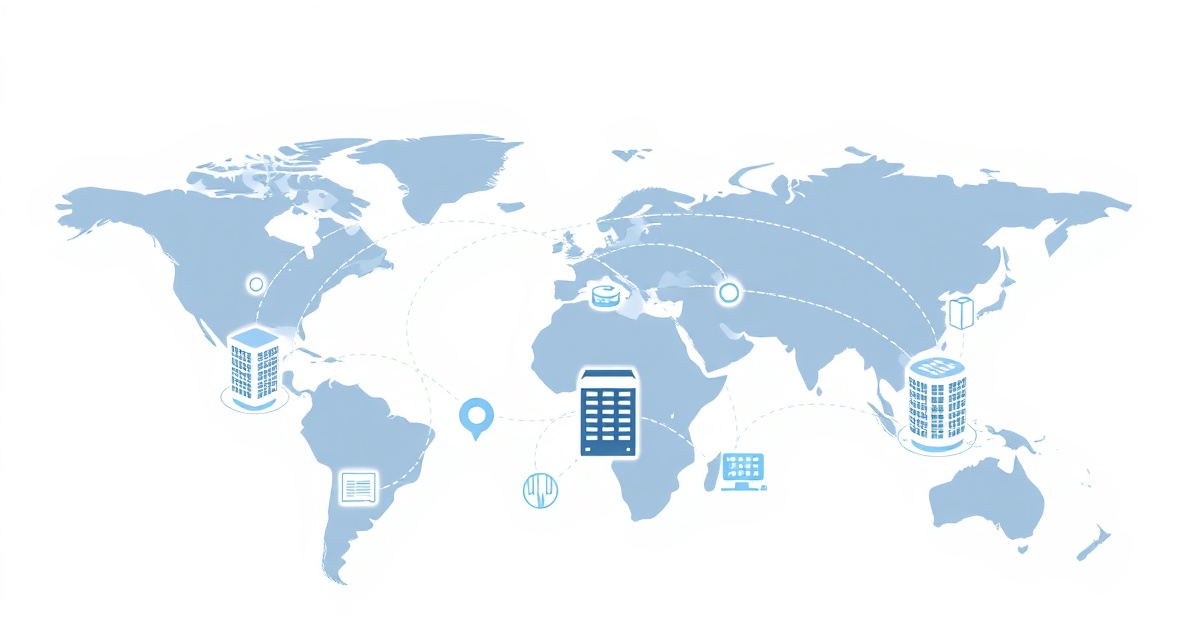
Connectivity Challenges for Multi-Site Businesses: Solutions That Work
Expanding to multiple locations is exciting—but it introduces significant infrastructure complexity. Many growing businesses discover that their connectivity solutions, which worked fine for a single office, collapse under the demands of distributed operations. Understanding these challenges and planning for them can mean the difference between smooth growth and costly disruption.
The Hidden Costs of Multi-Site Growth
Connectivity Complexity
When you operate across multiple locations, you’re no longer just managing one network—you’re managing separate networks that need to communicate seamlessly. This introduces several challenges:
Branch Connectivity Issues:
- Each site needs reliable WAN connections to headquarters
- Poor-quality connections kill productivity and increase latency
- Traditional MPLS solutions are expensive and slow to deploy
- Internet-based connections may lack guaranteed performance
Management Overhead:
- Different ISPs at different locations
- Inconsistent performance across sites
- Complex routing and network management
- Difficulty troubleshooting distributed systems
Common Pain Points
1. Latency and Performance Degradation Applications designed for single-office networks often struggle when data must traverse slow WAN links. Cloud applications require consistent, low-latency access.
2. Bandwidth Constraints Branch offices share bandwidth with other applications. A video conference or large file transfer can kill productivity for everyone else.
3. Security Vulnerabilities Multiple locations mean multiple potential security risks. If each branch has its own internet connection, you lose centralized security controls.
4. Operational Complexity Managing networks across locations requires specialized expertise and sophisticated tools. This often leads to higher IT staffing costs.
5. Cost Inefficiency Traditional WAN solutions (MPLS, dedicated circuits) are expensive, especially when you need the flexibility to add or remove sites quickly.
Modern Solutions for Multi-Site Infrastructure
Software-Defined WAN (SD-WAN)
SD-WAN transforms how multi-site businesses connect:
How It Works:
- Applies software-based controls to manage WAN traffic
- Can intelligently route traffic across multiple connections
- Provides centralized visibility and control
- Works with any internet connection (broadband, fiber, LTE)
Benefits:
- 40-60% reduction in WAN costs
- Automatic failover between connections
- Improved application performance
- Simplified network management
- Faster branch deployment (days instead of weeks)
Best For:
- Businesses with 5+ locations
- Organizations with variable traffic patterns
- Companies needing flexibility to add sites quickly
- Operations running cloud and on-premise systems
Redundancy and Failover
Multi-site operations require bulletproof reliability:
Recommended Approach:
- Dual ISP connections at each site (primary and backup)
- Automatic failover when primary connection fails
- LTE backup for critical locations
- Geographic redundancy for data and applications
Cost-Benefit:
- Initial investment: $5K-$15K per site
- Business impact of outage: Often $10K-$100K+ per hour
- Payback period: Often under 1 month with just one prevented outage
Cloud-First Architecture
Moving applications to cloud simplifies multi-site operations:
Why It Works:
- All sites access the same systems from the cloud
- Reduced need for expensive inter-site connections
- Automatic scaling and load balancing
- Built-in redundancy and disaster recovery
Implementation:
- Identify critical applications suitable for cloud migration
- Phase migration location by location
- Test thoroughly before full deployment
Planning Your Multi-Site Network
Assessment Phase
1. Map Current State
- Document all current locations and connections
- Identify performance bottlenecks
- Calculate current WAN costs
- Assess security gaps
2. Define Requirements
- Expected bandwidth per site
- Latency requirements by application
- Growth projections for next 3-5 years
- Compliance and security requirements
3. Cost Analysis
- Current infrastructure costs
- Costs of planned growth
- Costs of outages and performance issues
- Budget for new solutions
Implementation Approach
Phase 1: Core Network (Months 1-3)
- Implement SD-WAN or modernized WAN solution
- Add redundant connections to critical sites
- Deploy centralized monitoring
Phase 2: Cloud Integration (Months 3-6)
- Migrate priority applications to cloud
- Optimize cloud connectivity
- Implement cloud security controls
Phase 3: Optimization (Months 6-12)
- Fine-tune bandwidth allocation
- Implement application-aware routing
- Staff training and process documentation
Cost Comparison: Old vs. New Approach
Traditional MPLS Approach
- Per-site cost: $2,000-$5,000/month
- 10 locations: $240K-$600K annually
- Deployment time: 8-12 weeks per site
- Flexibility: Low (changing circuits is slow)
Modern SD-WAN + Broadband Approach
- Per-site cost: $800-$2,000/month
- 10 locations: $96K-$240K annually
- Deployment time: 1-2 weeks per site
- Flexibility: High (easy to add/modify)
Potential Savings: $150K-$500K+ annually with 10 locations
Key Metrics to Track
1. Network Performance
- Average latency between sites
- Bandwidth utilization
- Packet loss rates
- Application response times
2. Reliability
- Network uptime percentage
- Mean time between failures (MTBF)
- Mean time to recovery (MTTR)
- Failover effectiveness
3. Cost Efficiency
- WAN cost per Mbps
- Total cost of ownership
- Cost per location
- Spend vs. capacity ratio
4. Operational Health
- Tickets and incidents
- Time to resolve issues
- User satisfaction
- Staff efficiency
The Bottom Line
Multi-site infrastructure doesn’t have to be complex or expensive. Modern technologies like SD-WAN, cloud-based applications, and intelligent connectivity make it possible to scale efficiently while reducing costs and improving reliability.
Companies taking a strategic approach to multi-site networking see:
- 40-60% WAN cost reduction
- Improved application performance across all locations
- Faster site deployment for growth
- Reduced operational complexity and IT overhead
Ready to optimize your multi-site infrastructure? Book a consultation with our technology advisors to assess your current network and plan for growth.
Ready to discuss this topic further?
Schedule a consultation with our technology advisors to explore how these insights apply to your organization.
Book a Strategy Call